



























AI chatbots for hotels and tourism: more bookings, fewer missed inquiries and multilingual service
AI chatbots for hotels reply instantly, work around the clock, can serve guests in many languages and guide them toward a booking.
Hotels and tourism businesses get the same inquiries every day: prices, availability, check-in terms, parking, breakfast, cancellation policies. Some come in by phone, but many come through the website — when the front desk is busy or when the guest is abroad and would rather write.
This is exactly where AI chatbots for hotels deliver the fastest results: they reply instantly, work around the clock, can serve guests in many languages and guide them toward a booking or the right next step. The result is more conversions from your website and less pressure on your team.
Before you continue, if you want the general guide to chatbots:
AI chatbots for business: the complete guide
Why hotels lose bookings from their website (and how a chatbot helps)
Many potential guests:
- browse the website late at night or on weekends
- have quick questions and want an immediate answer
- don't want to call (especially if they're from abroad)
- compare several hotels and pick the one that gives them clarity fastest
When there's no quick answer, the guest goes elsewhere. An AI chatbot fills that gap by:
- answering frequently asked questions
- guiding guests toward a booking
- collecting an inquiry when a person is needed
- working around the clock without adding to the front desk's workload
The most common hotel inquiries an AI chatbot handles
Check-in terms
- check-in and check-out times
- early check-in or late check-out
- deposit and rules
Amenities and services
- is breakfast available and what does it include
- is there parking and on what terms
- is there a spa, gym, kids' corner, outdoor seating
- is it suitable for families
Policies and rules
- cancellations and changes
- pets
- smoking and special conditions
Location and getting around
- how to get there
- transfers and transportation
- nearby attractions
These are ideal topics for a chatbot because they have clear, repeatable answers.
Multilingual service: a big advantage for hotels and tourism
In tourism, many customers are foreigners and prefer to write. A well-configured AI chatbot for a hotel can serve guests in many languages and turn "just a question" into a real booking.
The practical impact:
- more inquiries that don't get lost
- more conversions from international visitors
- a more professional impression of the hotel
A knowledge base from your website: the chatbot gives accurate, consistent answers (RAG)
For a hotel, the most important thing is that the information is accurate. The chatbot has to work from real sources:
- the pages of your website (amenities, terms, contacts)
- frequently asked questions
- rules and policies
When the chatbot uses a knowledge base built from your website, the hotel avoids inconsistencies:
- different answers from different staff members
- "confusion" for the guest
- unnecessary calls to the front desk
Conversion: the chatbot doesn't just answer, it leads to a booking
A good hotel chatbot isn't an "information window." It drives action:
- it points guests to booking or contact
- it suggests the next step based on the question
- it collects an inquiry when the case is more specific
- it offers a conversation with a person when needed
This is critical for hotels, because the main goal is conversion: a booking or an inquiry.
Handing off to a person when needed: when the case is specific or urgent
There are situations where a human is the better choice:
- groups and corporate clients
- special requests
- urgent changes
- complex cases
In those cases, the chatbot needs to be able to hand off to a person or collect the inquiry properly, without the conversation "freezing."
Where to place the chatbot for maximum impact
The best places for a hotel chatbot:
- the home page
- the "Rooms" or "Accommodation" page
- the "Services" and "Amenities" pages
- the "Prices" or "Offers" page
- the "Contact" page
- booking and FAQ pages
The idea is for the chatbot to be wherever the guest hesitates and has questions.
Integrations and automations: when the chat becomes part of the process
Hotel inquiries often need to reach the right person. The chatbot can be combined with:
- email notifications
- inquiry spreadsheets
- CRM systems
- internal systems via API
That way, every inquiry can become:
- a record with a clear outcome
- a task for the team
- a follow-up action that doesn't get forgotten
The combination: chatbot + voice assistant (omnichannel service)
The strongest model for hotels is omnichannel:
- the guest writes on the website → AI chatbot
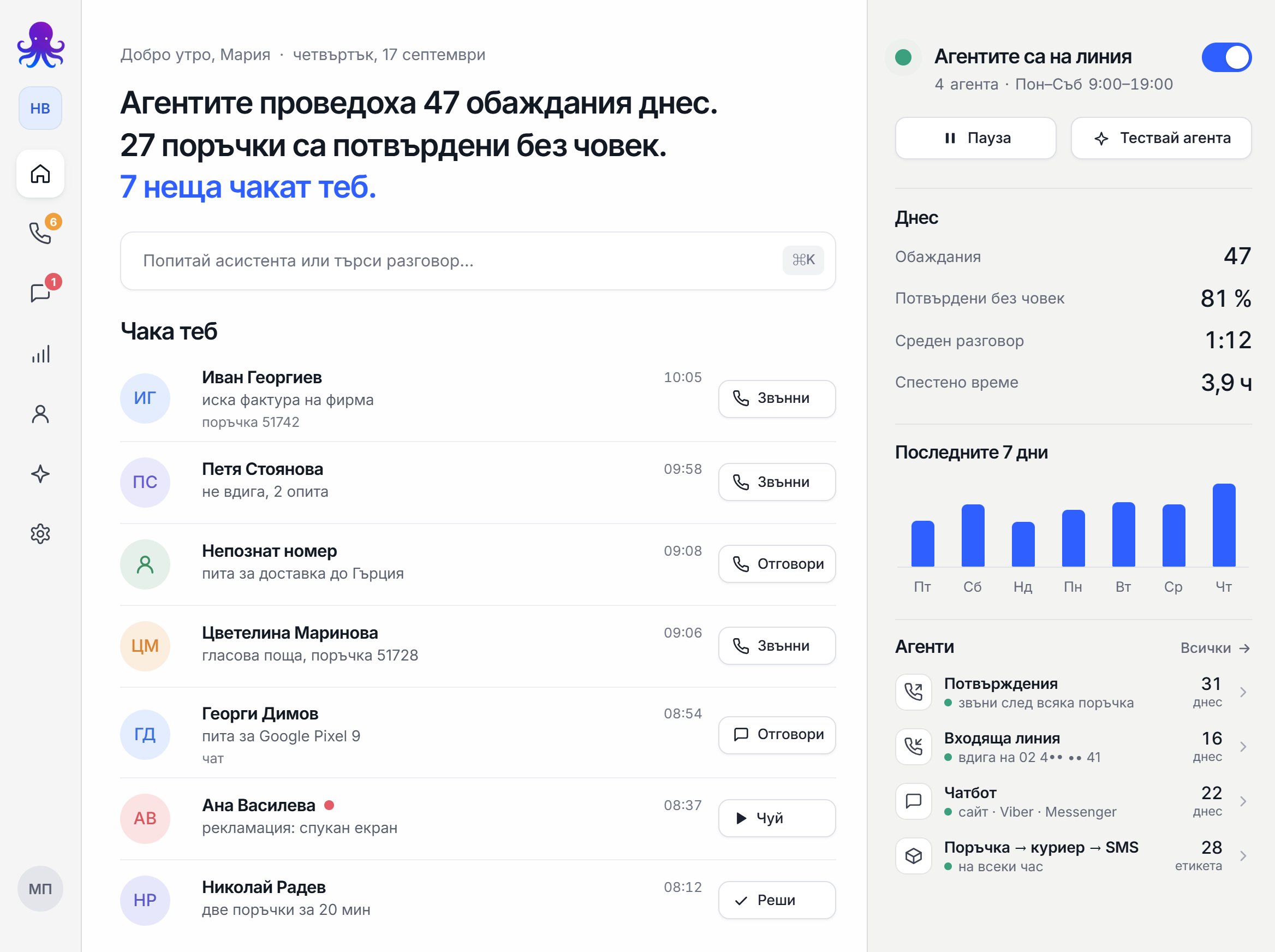
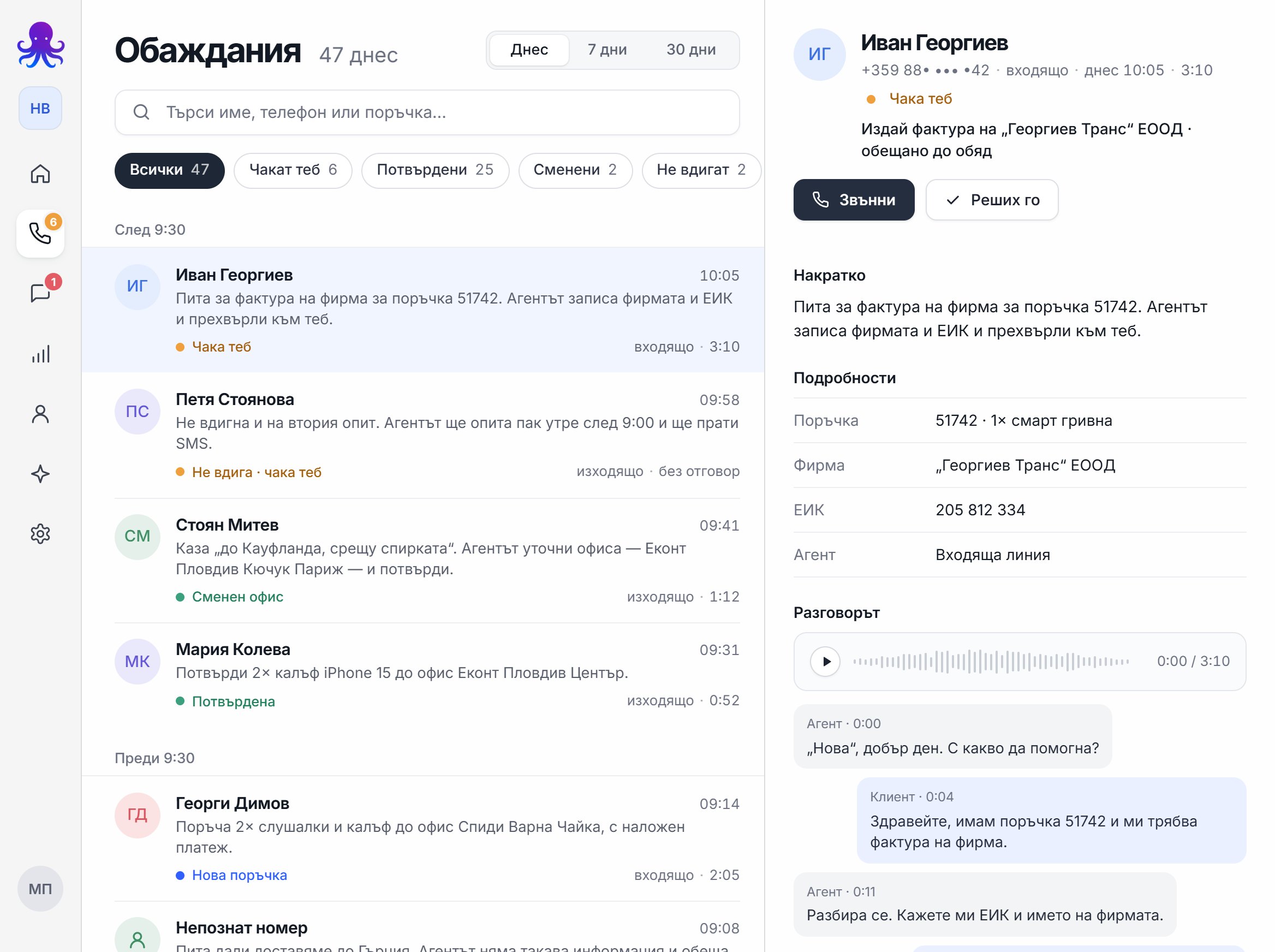
- the guest calls → AI phone agent
Both channels use the same knowledge base and give consistent answers. If you want to see the voice solution:
How to get started (step by step)
- Collect the most common questions from the front desk and the website.
- Organize the pages with your terms, services and policies.
- Set the tone and the rules: how it should answer and when to hand off to a person.
- Launch a pilot, monitor the conversations and add any missing answers.
- Optimize until the bot starts bringing in real inquiries and bookings.
Next step
If you want an AI chatbot for a hotel or tourism business that answers with up-to-date information and increases conversions from your website, contact us for a demo.
Related articles: