





























AI phone agents for outbound calls: sales, reminders, and information gathering
AI agents for outbound calls: follow-ups, reminders, surveys, and reactivation — automated, with Google Sheets as the control center.
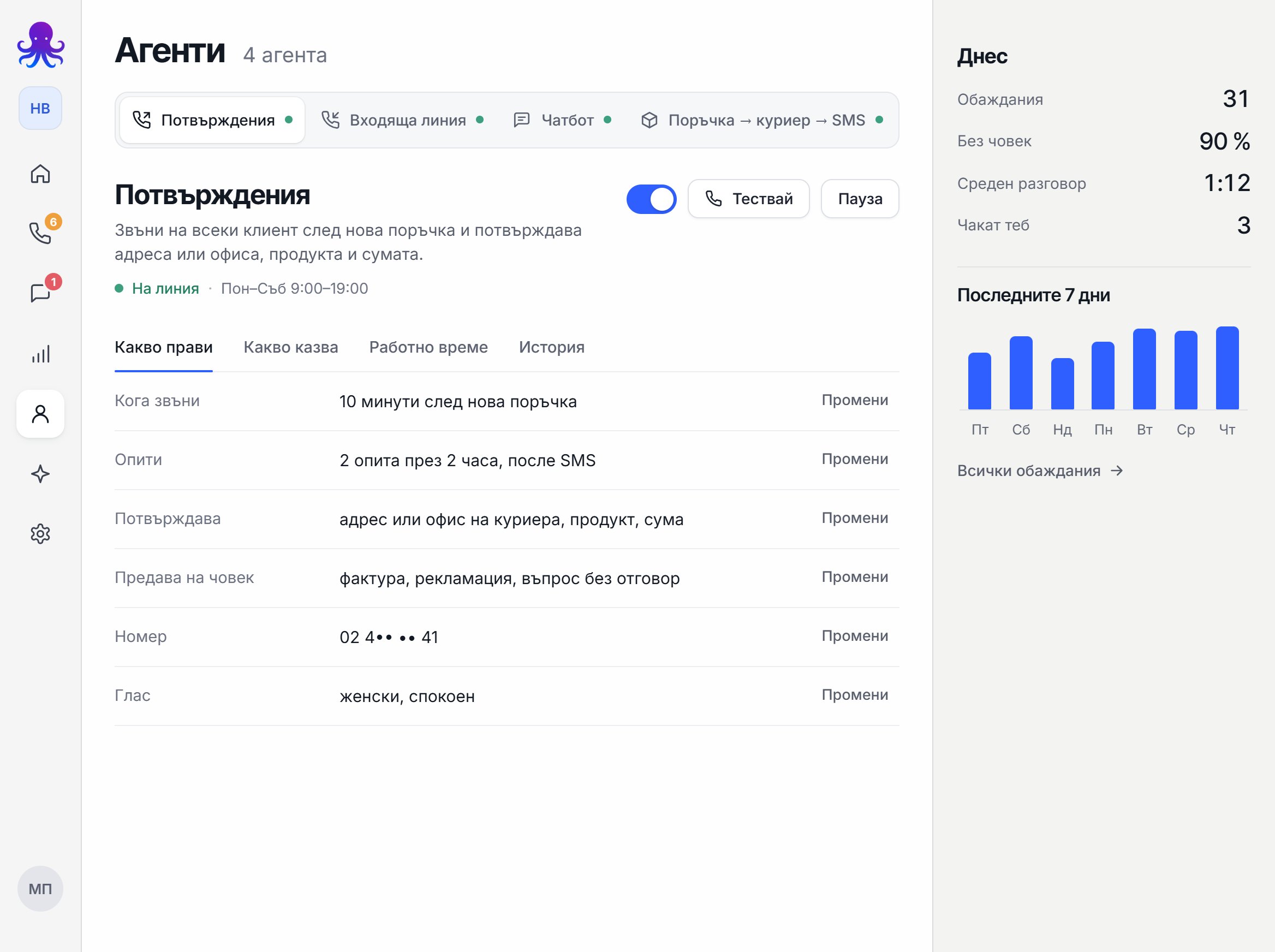
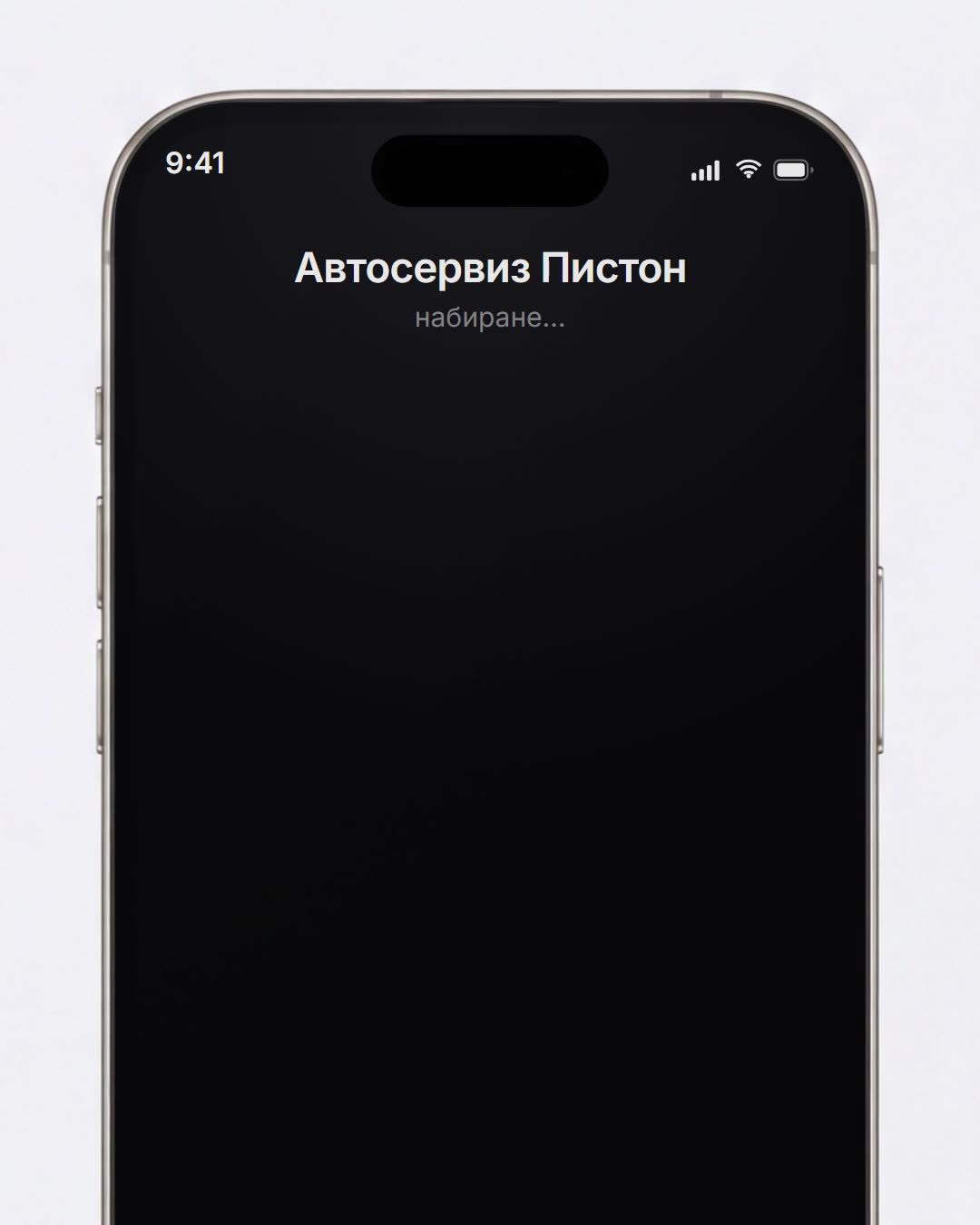
Most people associate AI phone agents with inbound calls: a customer calls, the agent answers. But the real "accelerator" for a business comes when the AI phone agent can make calls – that is, make outbound calls. This lets you automate sales, follow-ups, reminders, confirmations, surveys, data collection, and customer reactivation without overloading your team.
In this post, we'll cover:
- what AI phone agents for outbound calls are
- which businesses gain the most from them
- how the process works in practice with a list in Google Sheets
- what the best scenarios are (sales, support, collections, reminders)
- how to implement it the right way and avoid the risks
If you want to see our AI phone agent solution as a whole:
What are AI phone agents for outbound calls
An outbound AI phone agent is an AI that:
- takes a list of contacts (phone numbers) and a reason for the call
- calls automatically following a set script
- holds a conversation and responds based on the person's answers
- if needed, transfers to a real operator (when it can't help or it's urgent)
- records the outcome: successful call, no answer, busy, wrong number, rejection, interest, next step
The difference from the "robocalls" of the past is that here the conversation can be natural, interactive, and adapt to the customer.
Why outbound AI phone agents matter so much for a business
Outbound calls are the "expensive" part of the job:
- they take time
- they take persistence
- they take repetition
Many teams don't manage to do enough follow-ups, don't call old customers, don't confirm reservations on time, and don't run surveys after a service. An AI phone agent can do this for them, and people only step in when it makes sense.
Typical use cases: when the AI phone agent should call
Follow-up on inquiries and leads (sales)
- a customer filled out a form
- a customer left a phone number
- a customer showed interest but didn't complete an order
The AI agent calls, asks a few short questions, and if there's interest, transfers to a sales rep.
Reminders (appointments / reservations)
- appointment reminder
- reservation confirmation
- rescheduling an appointment/reservation when needed
Reactivating old customers
- a customer hasn't ordered in a long time
- a customer was active, then disappeared
- a customer bought seasonally
The AI agent calls with a short message and an offer, and if the customer is interested, guides them to the next step.
Surveys and feedback
- after a purchase
- after a delivery
- after a service
The AI agent collects feedback and logs the result in a spreadsheet. It's easy and extremely useful for improving the business.
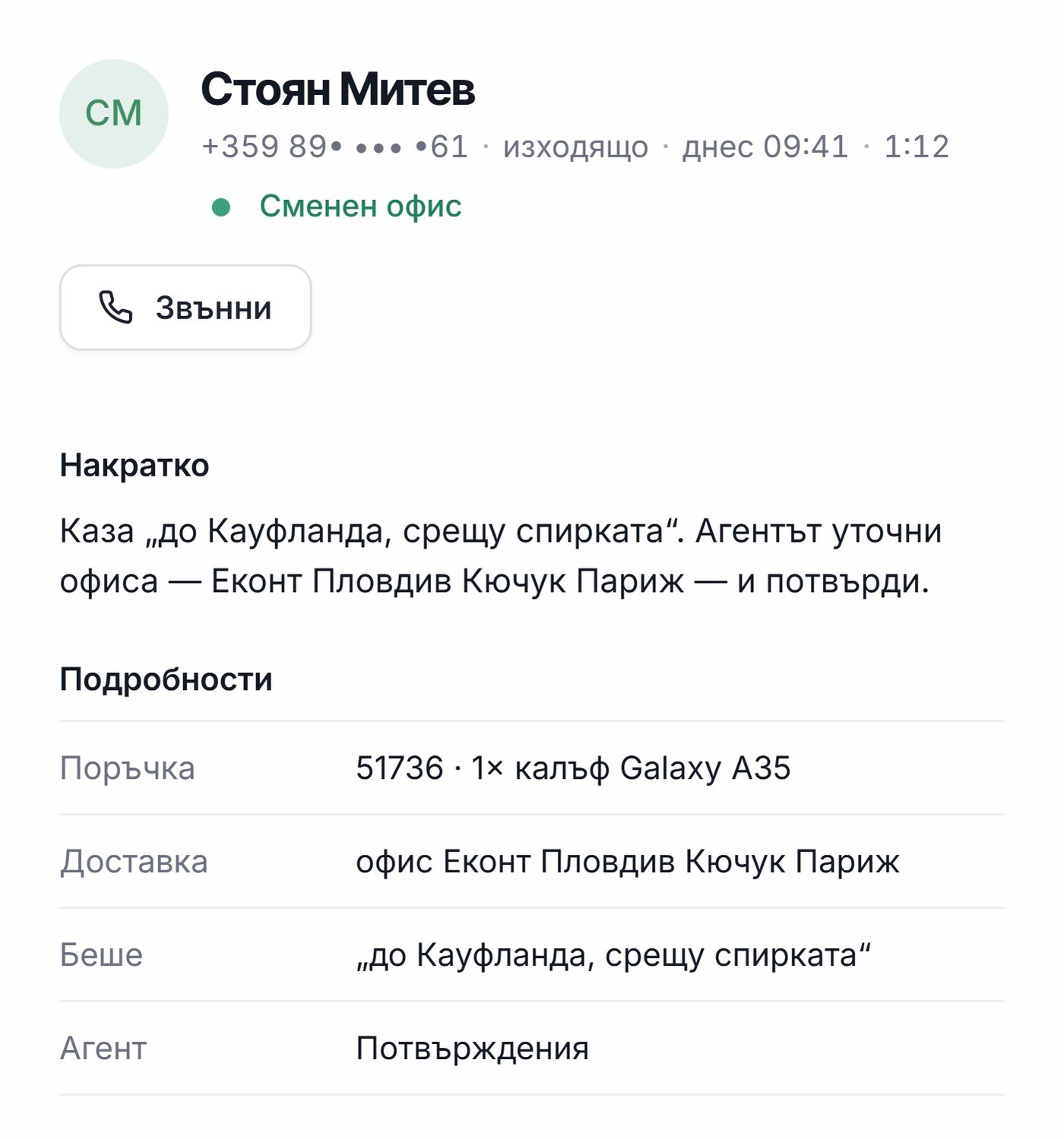
Confirmations and important notices
- delivery confirmation
- address confirmation
- confirmation of a change
How it works in practice: Google Sheets as the control center for calls
One of the most practical ways to manage outbound campaigns is Google Sheets. The reason is simple: it's easy for the team, doesn't require complex CRM setup, and anyone can manage it.
Sample Google Sheet structure (columns)
Minimal version:
- Phone
- Name (if available)
- Reason (reason for the call)
- Language (if any)
- Preferred time (if any)
- Status (New / In progress / Done)
- Outcome (Answered / No answer / Busy / Wrong number / Not interested / Interested)
- Notes (short notes)
- Next step (Call back / Transfer / Email / None)
Additional columns (optional):
- Campaign
- Segment (customer type)
- Offer
- Priority
- Assigned (if it needs to be transferred to a specific person)
- Consent (if you track marketing consent)
What the AI phone agent does with this spreadsheet
- checks the rows with status "New"
- takes the phone number and the reason
- calls following the script
- writes the outcome back to the spreadsheet (Outcome + Notes + Next step)
- if there's interest or urgency, transfers to a real operator
That gives you a simple yet powerful process: the spreadsheet is the "queue" for calls, and the AI agent is the "executor."
What the conversation sounds like: natural, short, and to the point
Outbound calls should be:
- short
- clear
- free of pressure
- properly "opened" (warm-up)
Warm-up logic for outbound:
- introduction (who is calling)
- a quick reason for the call
- asking whether it's a good time
- if it's not a good time: offering another time or ending the call
Transfer to a real person (warm transfer) when it makes sense
An outbound AI agent shouldn't replace people in everything. The best model is:
- the AI calls and qualifies the conversation
- a person steps in only when:
- there's real interest
- there's a complex case
- the situation is urgent
- the customer insists on talking to a person
This increases the team's efficiency, because people only handle the "important" conversations.
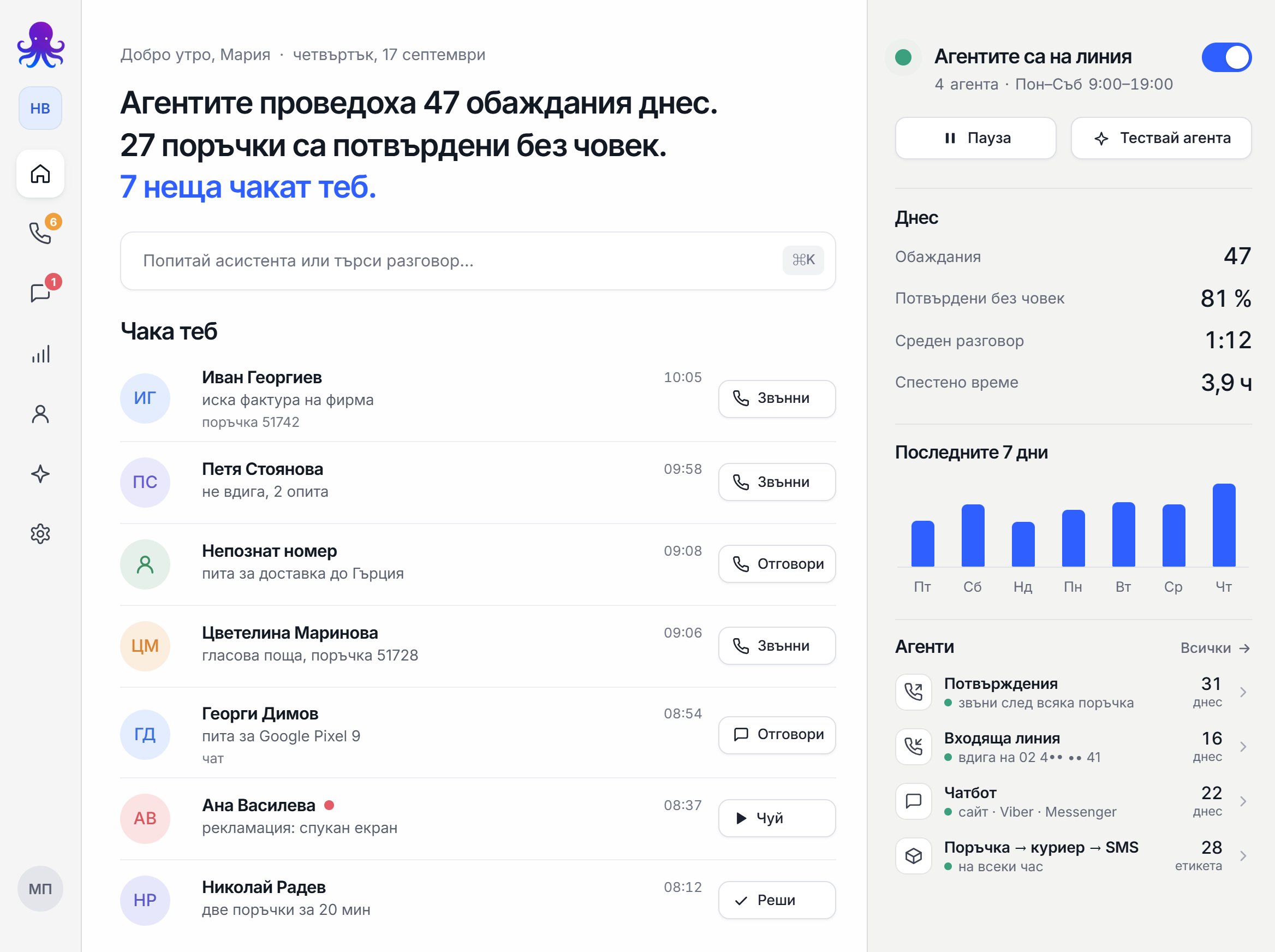
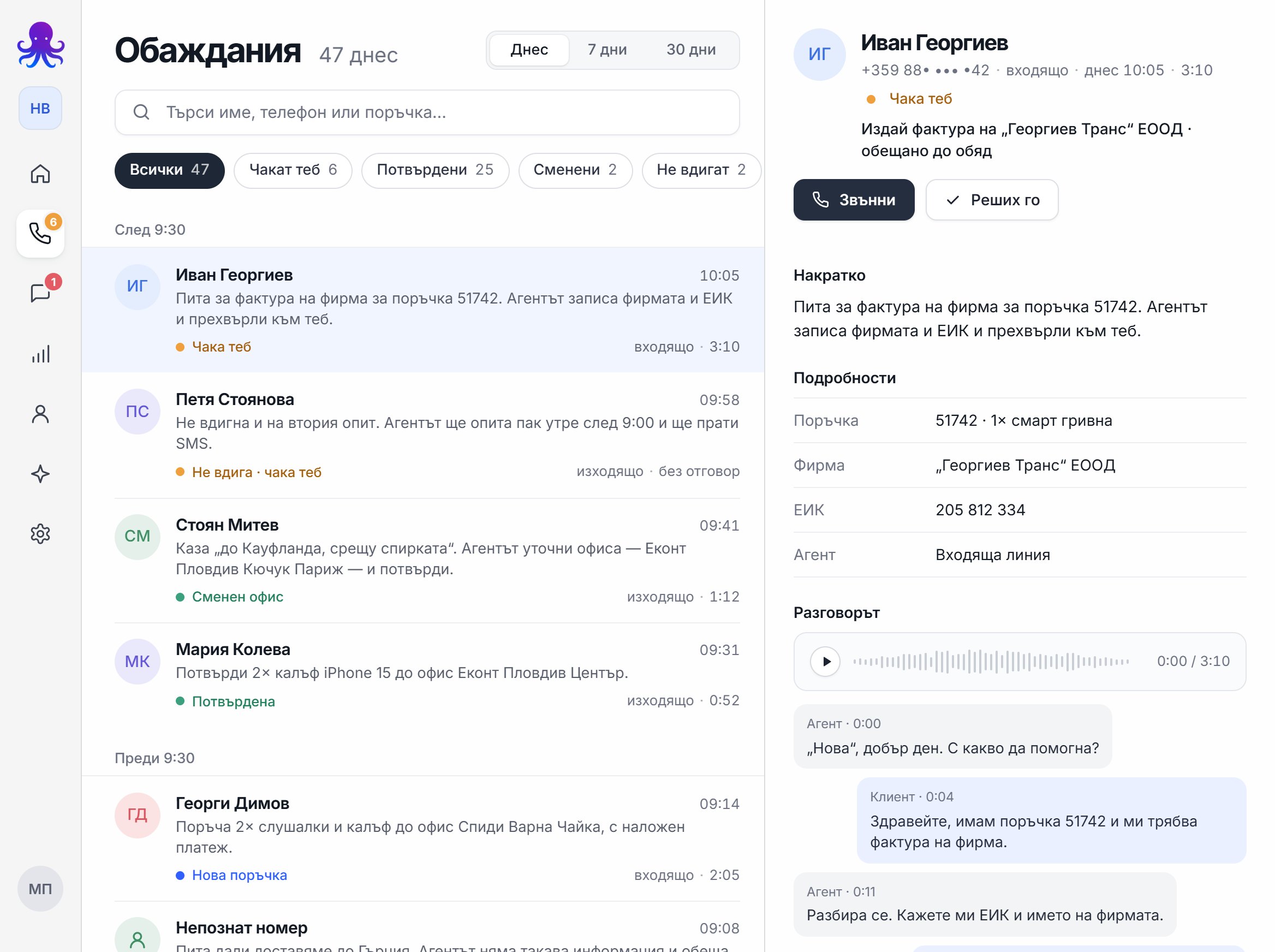
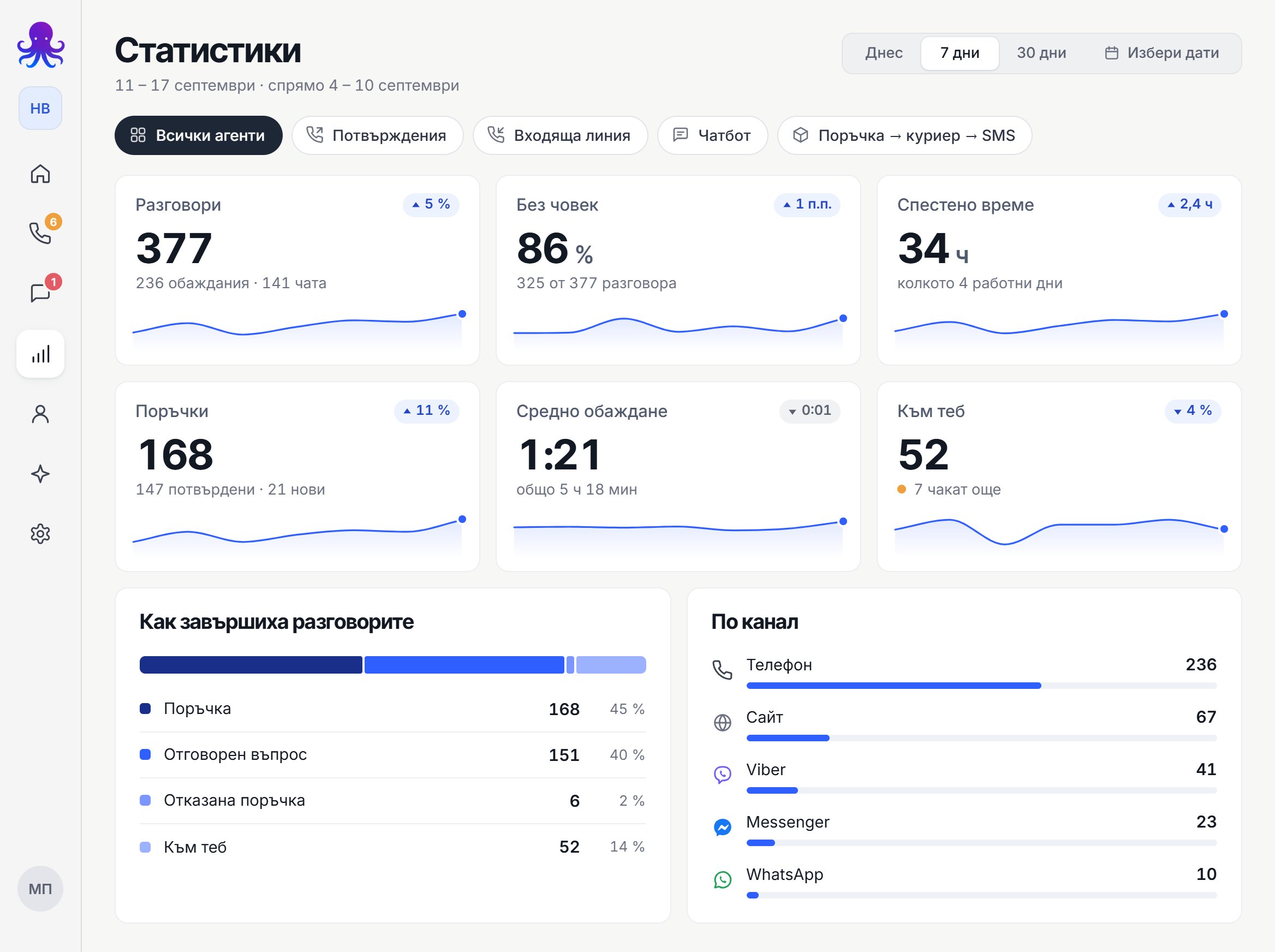
Dashboard and control: transcripts, audio recordings, and results
With a good solution, you can track:
- the transcript of every call
- the audio recording of every call
- the call outcome (Outcome)
- campaign stats: how many calls, how many answered, how many interested
This lets you optimize the script, improve the conversations, and get better results over time.
The most important settings for outbound AI phone agents
Script and goal
Don't start with "general calls." Pick 1 goal:
- follow-up on leads
- reservation confirmation
- survey
- reactivation
Time windows
Set when it's allowed to call:
- business hours
- days of the week
- lunch breaks
Frequency control
It's not a good idea to call the same number too often. Set a rule:
- maximum attempts per day
- maximum attempts per period
- callback logic (for example, after 24 hours)
Languages
If you have an international audience, the AI agent can call in different languages.
Stop policy
If the customer says "don't call me," this must be recorded and they must not be called again.
Risks and best practices (important)
Outbound calls need to be professional. The most common risks are:
- bad timing (calling at an inconvenient hour)
- an overly aggressive tone
- repeated and duplicate calls
- no clear goal
Best practice is:
- a short conversation
- a clear introduction
- respect for the customer's time
- an easy way to end the call
- transfer to a person only when it makes sense
Price of outbound AI phone agents
Pricing for AI phone agents is usually per minute of conversation, and the range is often:
- from €0.15 to €0.19 per minute
- most often around €0.17 per minute
The price depends on:
- the knowledge base (if the agent uses more information)
- integrations (for example, Google Sheets)
- volume of minutes (with more minutes, the price can be better)
For a rough estimate of your return on investment:
AI phone agent savings calculator
Sample implementation process (step by step)
- We pick a specific use case (for example, follow-up on leads).
- We create a Google Sheet template with the columns you need.
- We define the script and the conversation rules.
- We set up time windows and call frequency.
- We run a pilot with a small list.
- We analyze the calls (transcripts and audio) and optimize.
- We expand to larger lists and new campaigns.
Next step
If you want an AI phone agent that can make outbound calls and work with a list in Google Sheets, contact us for a demo:
[CTA:Contact us for a demo]